he global automotive landscape is undergoing a profound transformation, driven by the dual forces of electrification and autonomous driving. Amidst these high-tech shifts, the automotive rubber market remains a foundational pillar of vehicle manufacturing. Rubber components—ranging from high-performance tires and weatherstrips to intricate hoses and vibration-damping seals—are critical for ensuring vehicle safety, comfort, and longevity. As manufacturers seek to enhance fuel efficiency and passenger experience, the demand for specialized, high-durability rubber compounds has reached an all-time high.
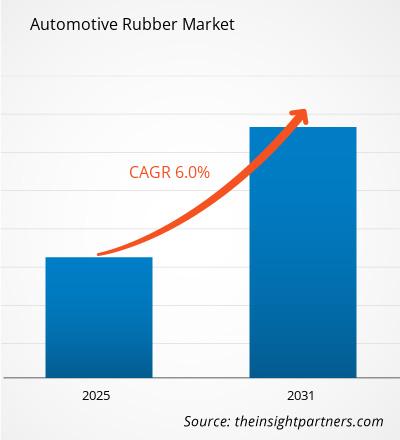
Strategic market indicators suggest a decade of robust expansion as the industry pivots toward advanced material science. The global Automotive Rubber market is expected to register a CAGR of 5.43% from 2026 to 2034, with the market size expanding from US$ 53.34 Billion in 2025 to US$ 85.87 Billion by 2034. This growth trajectory is fueled by the rising production of commercial vehicles and the increasing complexity of modern passenger car architectures.
Key Market Drivers: Catalyzing the US$ 85.87 Billion Opportunity
The projected surge in market value is underpinned by several powerful industrial drivers that align with the next generation of transportation.
1. The Electric Vehicle (EV) Revolution and NVH Requirements
The shift from internal combustion engines (ICE) to electric powertrains is a primary catalyst for the rubber market. Unlike traditional vehicles, EVs operate almost silently, which makes road noise and vibration much more noticeable to passengers.
-
NVH Solutions: There is a heightened demand for high-performance rubber components designed for Noise, Vibration, and Harshness (NVH) damping. Rubber mounts, bushings, and seals are being re-engineered to provide superior insulation, ensuring a premium cabin experience.
-
Specialized Tire Compounds: EVs are significantly heavier than ICE vehicles due to battery packs. This requires tires made from advanced rubber compounds that offer lower rolling resistance (to extend range) and higher load-bearing capacity.
Download Exclusive Sample PDF of the Automotive Rubber Market Study – https://www.theinsightpartners.com/sample/TIPRE00005972
2. Stringent Fuel Efficiency and Emission Norms
Global environmental regulations are forcing automotive OEMs to reduce vehicle weight to lower emissions. While rubber is essential, the industry is moving toward lightweight rubber composites and synthetic elastomers that offer high strength without the added mass.
-
Turbocharger Hoses and Seals: The trend of engine downsizing—using smaller, turbocharged engines—creates higher thermal and pressure demands within the engine bay. This drives the demand for high-grade synthetic rubber, such as Ethylene Propylene Diene Monomer (EPDM) and Fluoroelastomers (FKM), which can withstand extreme heat.
3. Rising Demand for Commercial Vehicles in Emerging Markets
Infrastructure development in regions like Asia-Pacific and Latin America has led to a surge in the production of heavy-duty trucks and construction vehicles.
-
Durability and Longevity: Commercial vehicles require robust rubber components for suspension systems, braking lines, and heavy-duty tires that can endure harsh operating environments. The expansion of global logistics and e-commerce further solidifies the steady demand for these high-wear rubber parts.
Market Share and Segmentation Analysis
The automotive rubber market is diverse, with several key segments contributing to its multi-billion-dollar valuation:
-
Tires vs. Non-Tire Components: While tires account for the largest volume of rubber consumption, the “non-tire” segment—which includes seals, hoses, belts, and gaskets—is growing rapidly due to the increased electronic content in vehicles.
-
Natural vs. Synthetic Rubber: Natural rubber remains vital for tires due to its heat-dispersion properties. However, synthetic rubber is dominating the engine and cabin segments due to its superior resistance to chemicals, oils, and temperature fluctuations.
Competitive Landscape: Top Industry Players
The automotive rubber market is characterized by a mix of global chemical giants and specialized automotive suppliers. Top-tier players are currently focusing on R&D for “Green Rubber” solutions, utilizing bio-based monomers and recycled rubber to meet the sustainability goals of automotive OEMs.
Key Companies Profiled in the Market Report:
-
Bridgestone Corporation
-
The Goodyear Tire & Rubber Company
-
Continental AG
-
Sumitomo Riko Co., Ltd.
-
Pirelli & C. S.p.A.
-
Yokohama Rubber Co., Ltd.
-
Toyo Tire Corporation
-
Cooper Standard
-
Hutchinson
-
Lanxess AG
-
Trelleborg AB
Buy Complete Report: https://www.theinsightpartners.com/buy/TIPRE00005972
Regional Forecast Snapshots (2025–2034)
| Metric | 2025 (Baseline) | 2034 (Projected) | CAGR (2026–2034) |
| Market Valuation | US$ 53.34 Billion | US$ 85.87 Billion | 5.43% |
| Leading Region | Asia-Pacific | North America | Europe |
| Primary Driver | EV Adoption | Vehicle Production | Sustainability Mandates |
About Us
The Insight Partners is a one-stop industry research provider of actionable intelligence. We help our clients find solutions to their research requirements through our syndicated and consulting research services. We specialize in industries such as Chemicals and Materials, Automotive, Technology, and Healthcare, providing high-quality data and strategic insights to help businesses navigate complex market landscapes. Our mission is to provide accurate, reliable, and up-to-date market intelligence to empower decision-makers worldwide.
Contact Us
If you have any queries about this report or would like further information, please contact us:
-
Contact Person: Ankit Mathur
-
E-mail: [email protected]
-
Phone: +1-646-491-9876
-
Website: www.theinsightpartners.com
- Also Available in : KoreanGermanJapaneseFrenchChineseItalianSpanish